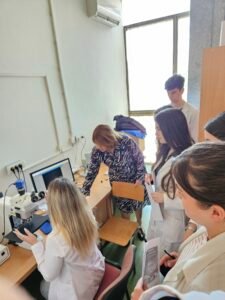
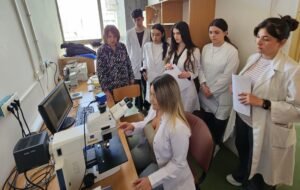
The second day of the NO-DEPENDENCE educational programme, Discover → Experience → Reflect, was dedicated to practical laboratory work and experimental methods used in materials research relevant to hydrogen and energy technologies.
The Experience session was held on 14 May 2026 at the Faculty of Technology, University of Montenegro, within the framework of the SPS MYP G6037 project – “Development of Hydrogen Compressors (NO-DEPENDENCE)”, implemented with the support of the NATO Science for Peace and Security Programme.
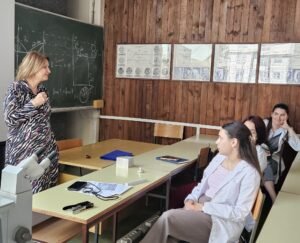
The laboratory programme was designed to connect theoretical concepts presented on the first day of the workshop with practical experimental approaches used to investigate advanced materials for energy-related applications.
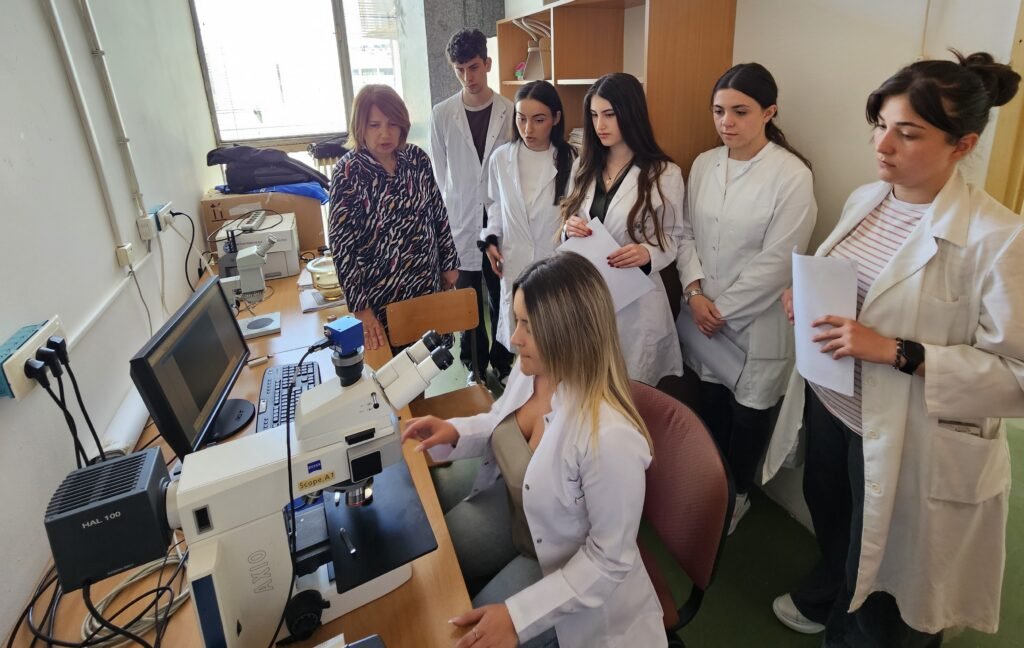
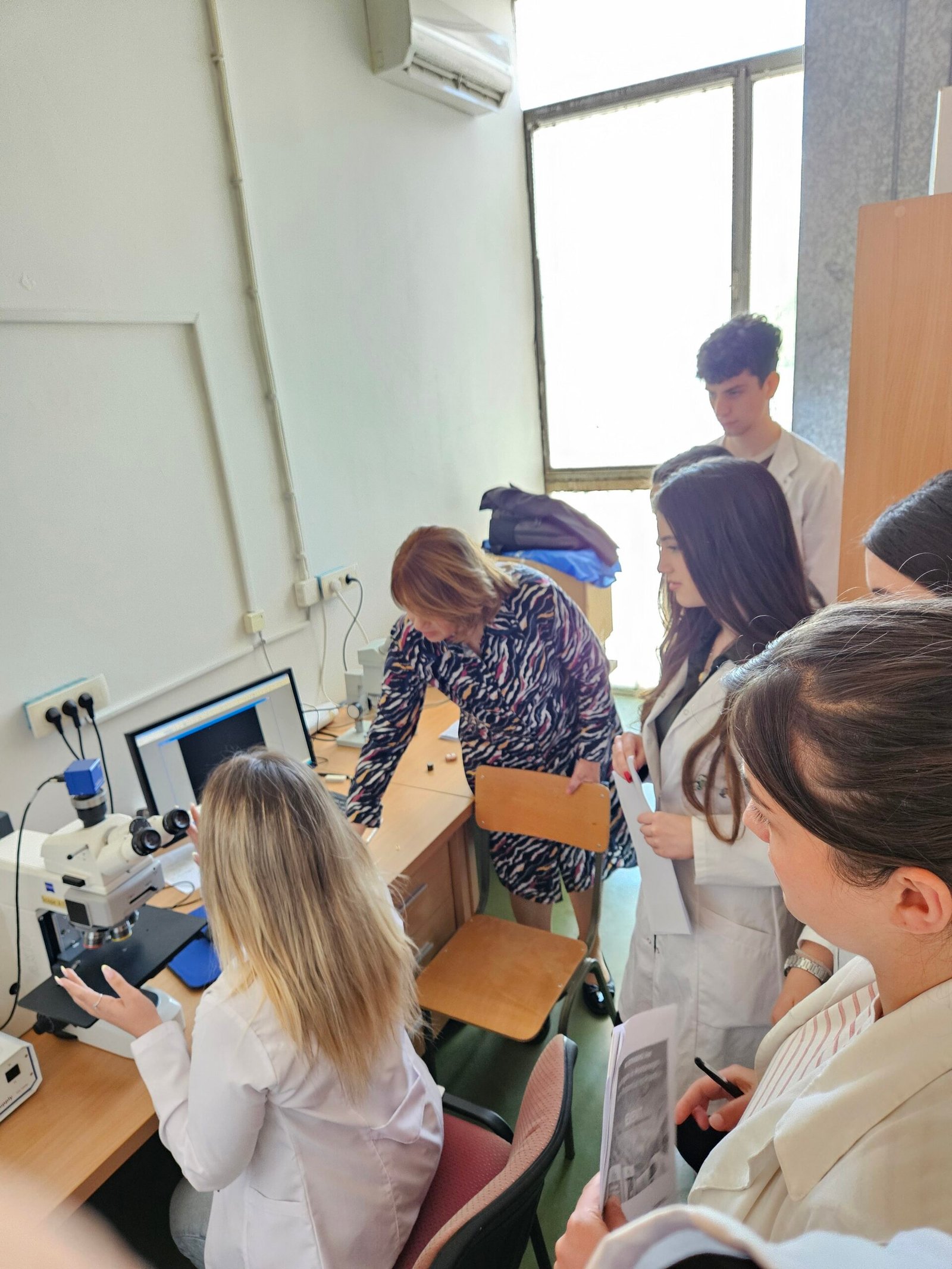
During the session, participants were introduced to thermal analysis methods and optical microscopy techniques used in materials science research. Particular attention was devoted to understanding how experimental data can provide insight into material structure, thermal stability, phase transformations and material behaviour under controlled heating conditions.
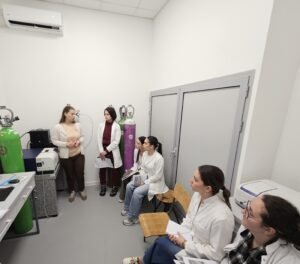
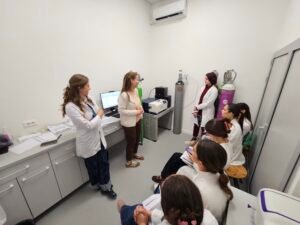
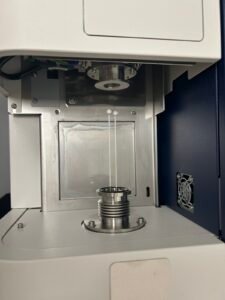
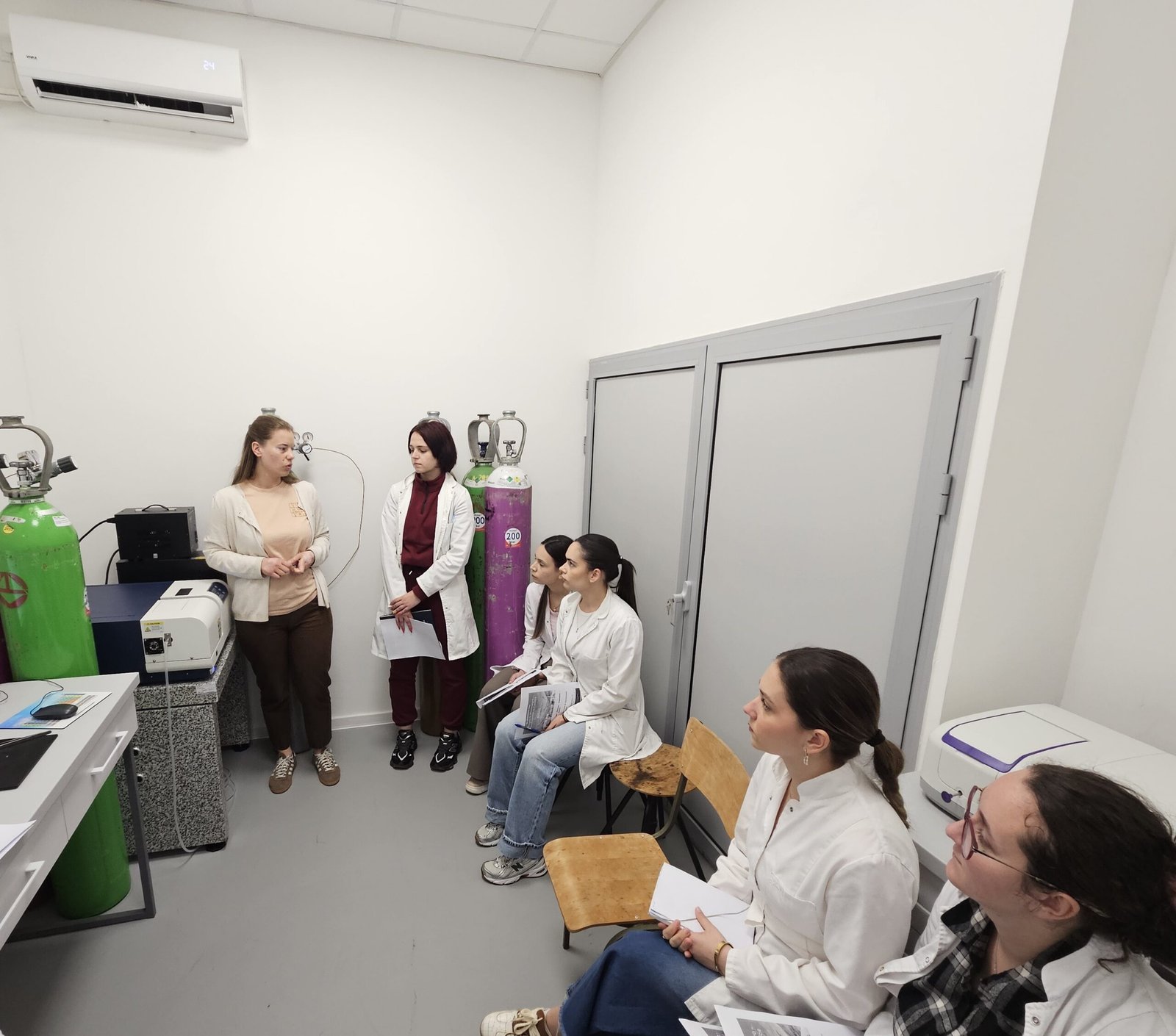
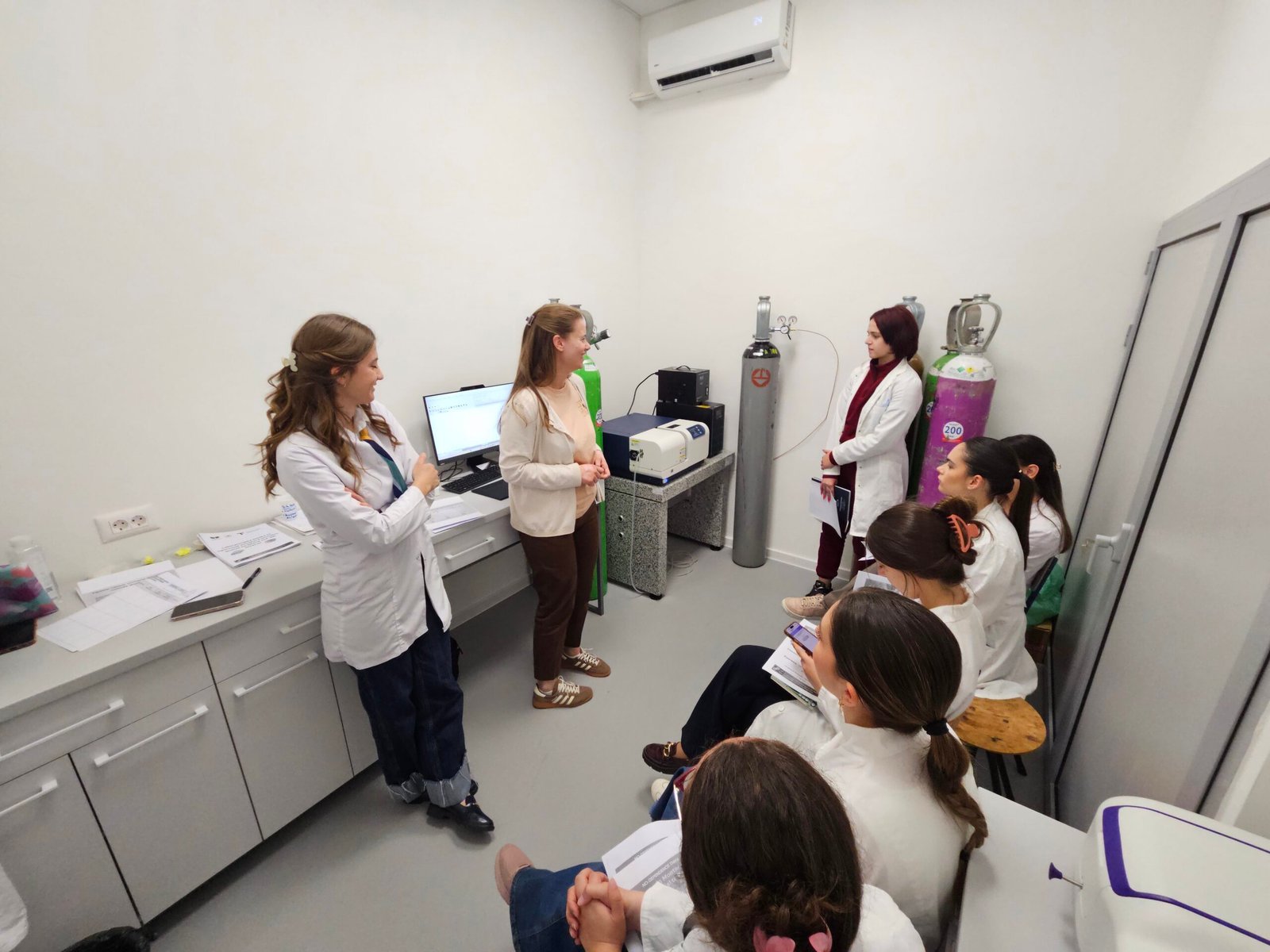
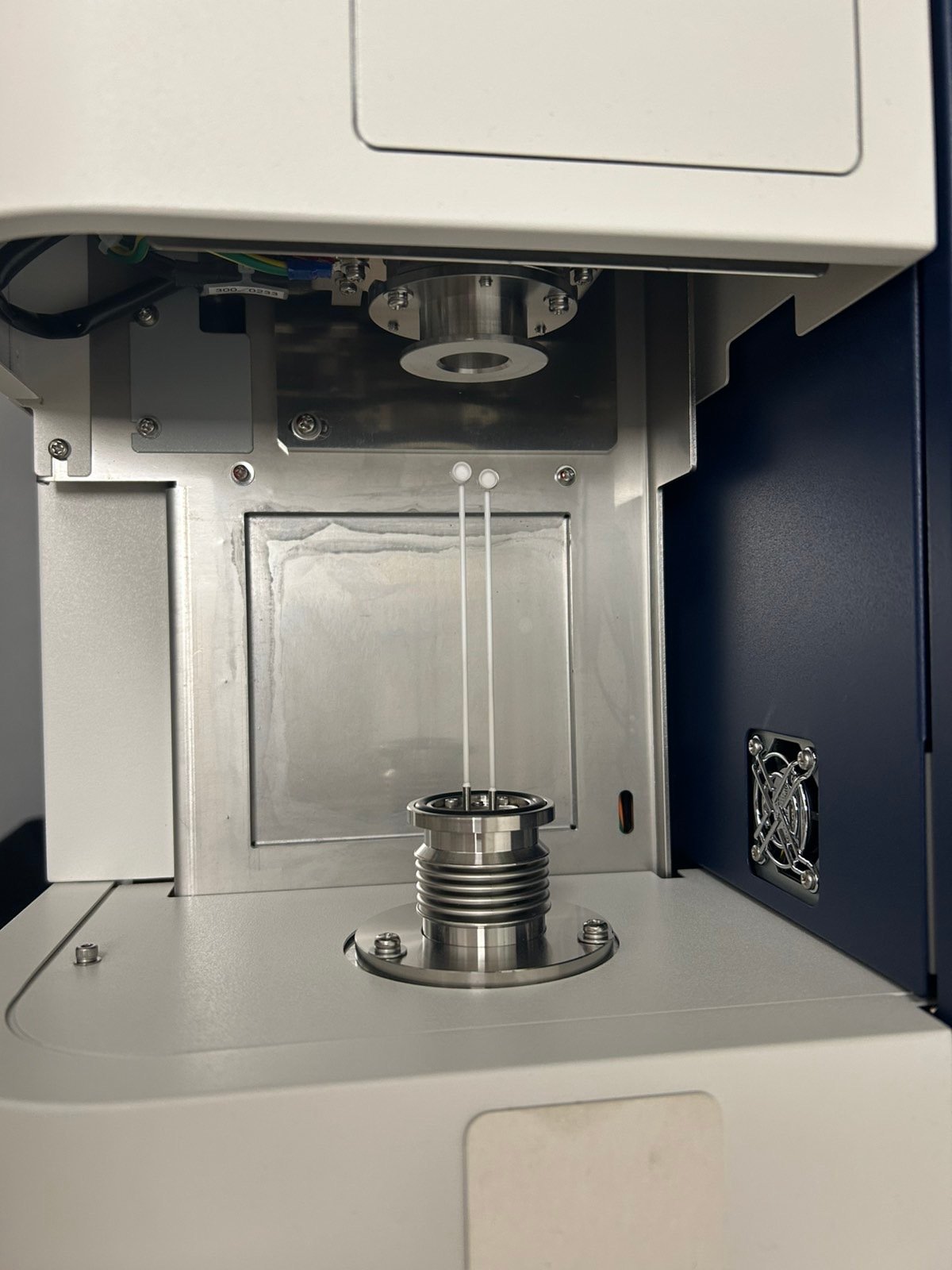
Participants worked with the NEXTA STA 300 simultaneous thermal analysis system, where they explored:
principles of thermal analysis;
interpretation of DSC/TGA curves;
thermal behaviour of materials;
phase transitions and mass-change processes;
relationships between material structure and thermal response.
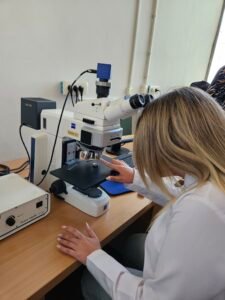
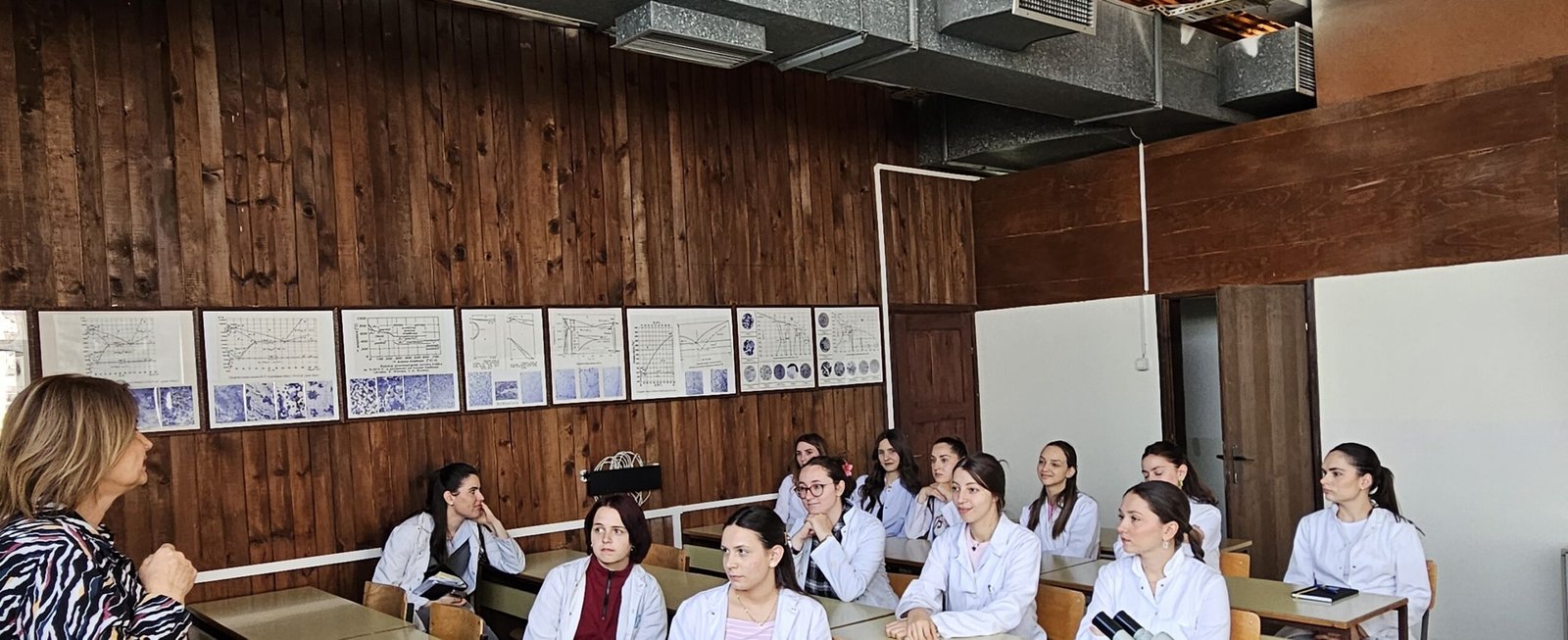
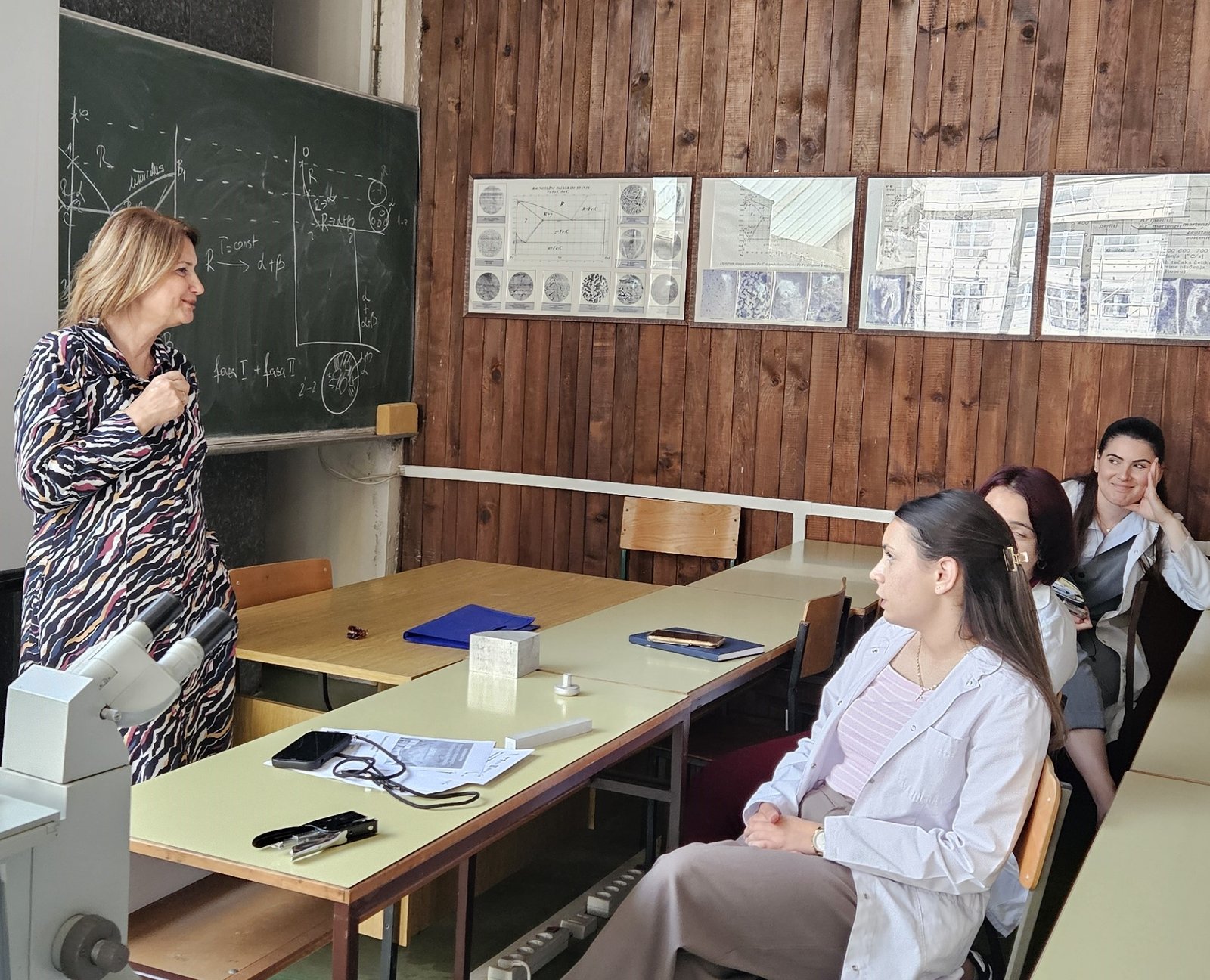
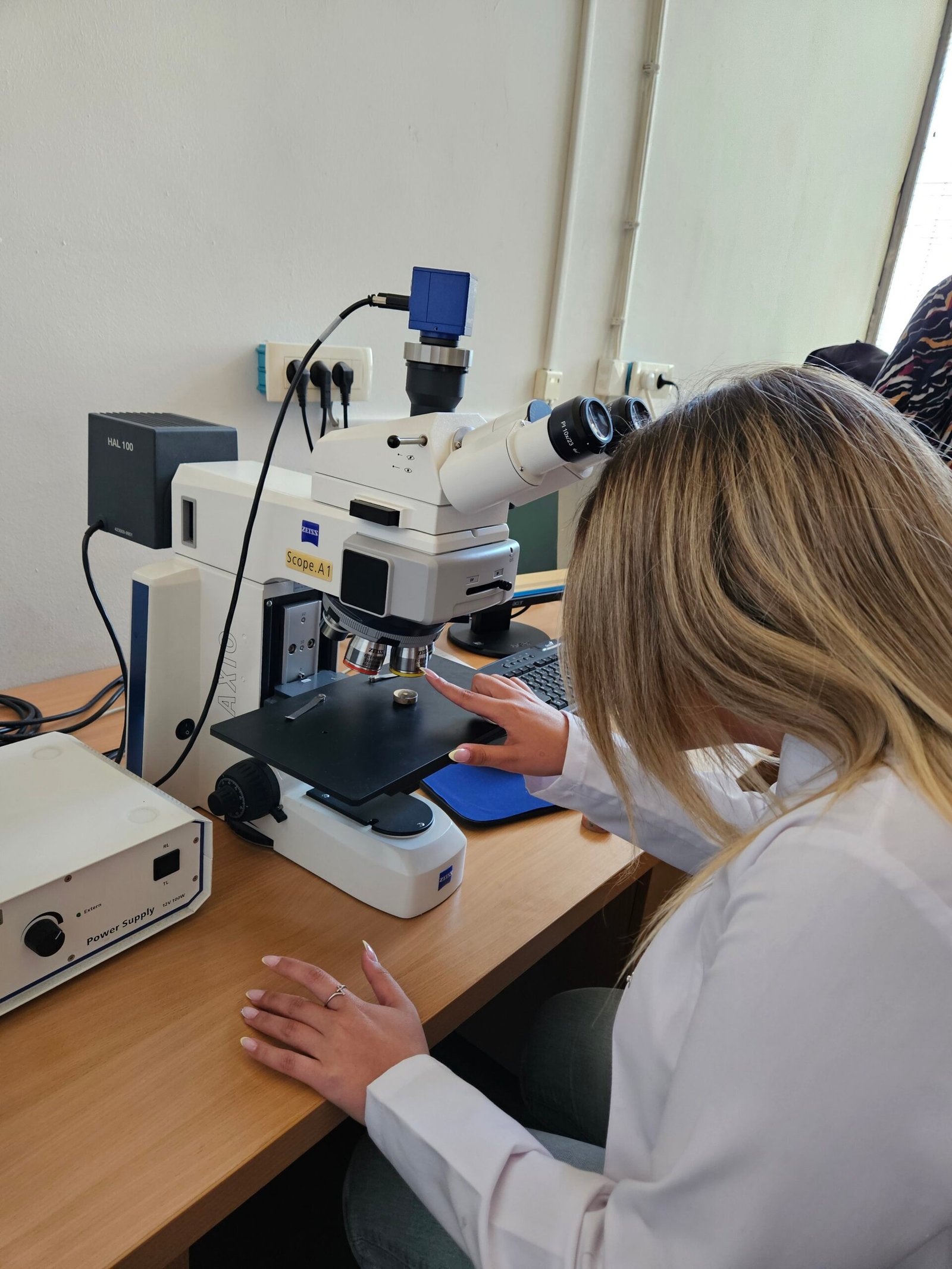
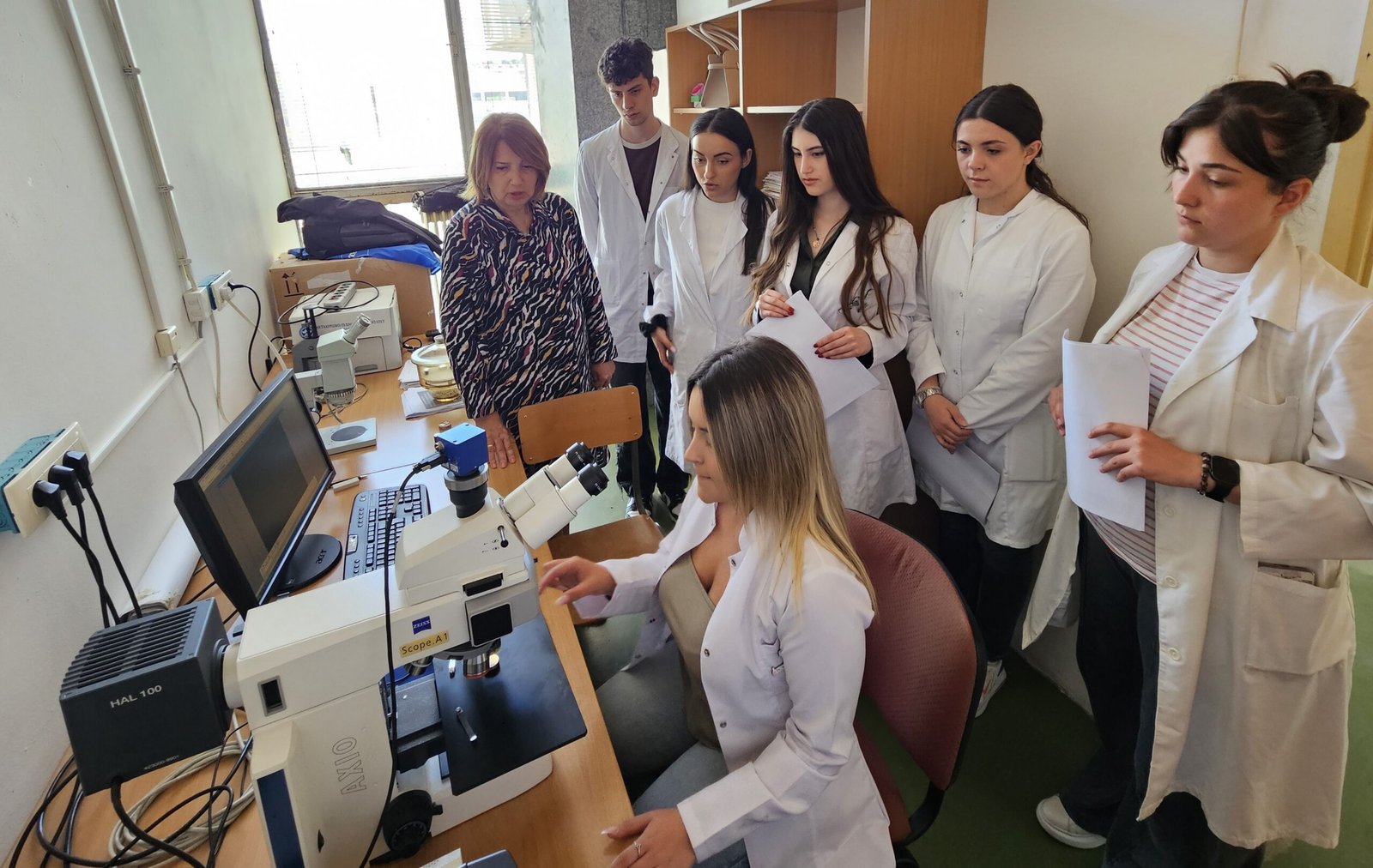
In addition to thermal analysis, participants explored microstructures using optical microscopy (OM), gaining insight into the importance of microstructural analysis in understanding the properties and potential applications of materials relevant to energy systems.
The laboratory activities were conducted by Prof. Vanja Asanović, MSc Aleksandra Žurić, and MSc Milica Vujić, who guided participants through experimental procedures, the interpretation of results, and the broader relevance of materials research for sustainable energy technologies.
An important aspect of the Experience session was encouraging participants to think beyond individual measurements and to understand how laboratory-scale research contributes to the development of real technological systems. Through discussion and interpretation of results, participants explored how materials science, thermal analysis and microstructural characterisation can support future hydrogen technologies, energy storage systems and sustainable engineering solutions.
The second day of the programme provided participants not only with practical laboratory experience, but also with a broader understanding of the role of experimental research in the development of advanced materials and future energy systems.